US Visas For Indian Citizens: How Long It Takes
Opening Opportunities: Important Information on US Visas for Indian Citizens
Maneuvering the complexities of US visa options is essential for Indian people aiming to discover opportunities in the US. With various categories varying from short-lived visitor visas to pathways for irreversible residency, recognizing the subtleties of each can significantly impact one's trip. This discussion will certainly highlight vital information, including application procedures and qualification standards, that can equip people in their quest of new experiences. As we unload these crucial aspects, the concern occurs: what techniques can one use to improve their opportunities of a successful application?
Overview people Visa Types
When traversing the facility landscape people immigration, understanding the various kinds of visas readily available is vital for Indian people looking for entrance into the US (Types Of US Visas). The US immigration system is mostly categorized into 2 broad classifications: immigrant visas and non-immigrant visas
Immigrant visas are assigned for those meaning to live permanently in the US. These consist of family-sponsored and employment-based visas, where candidates normally need a sponsor. Non-immigrant visas, on the other hand, satisfy people seeking short-lived home, such as visitors, business visitors, and those taking a trip for specific purposes like work or study.
Within the non-immigrant classification, several visa kinds exist, consisting of B-1/ B-2 for business and tourism, H-1B for specialty professions, L-1 for intra-company transferees, and O-1 for people with remarkable capabilities. Each visa has distinct qualification needs and application procedures, demanding thorough research to identify the suitable group.
Recognizing these classifications is important for Indian residents, as it allows them to navigate the application procedure better, ensuring they pick the proper visa kind to meet their details needs and purposes. US Visas For Indian Citizens.
Pupil Visa Options
For Indian people desiring study in the US, pupil visas provide a crucial pathway to pursue scholastic possibilities. The main visa classifications for trainees are the F-1 and M-1 visas.
The F-1 visa is designated for academic trainees enlisted in a full time program at an approved establishment, such as universities and colleges. This visa enables students to participate in on-campus employment and, under specific problems, join optional useful training (OPT) after completing their level, offering valuable job experience in their discipline.
On the other hand, the M-1 visa is intended for employment or non-academic programs. It deals with trainees seeking technical or employment training, allowing them to enlist in non-degree programs. M-1 visa holders might join useful training, yet it is typically extra minimal contrasted to the F-1 group.
To acquire a trainee visa, candidates have to secure admission to a united state establishment, get a Kind I-20, and show economic ability to sustain their education and living expenses. Understanding these visa alternatives is substantial for Indian people planning to begin their instructional trip in the US.
Visa Categories
Many Indian citizens seeking work opportunities in the US may consider various categories customized to different professional requirements and certifications. The most prominent is the H-1B visa, made for competent workers in specialty occupations needing a college degree or its equal. It permits US companies to momentarily use foreign employees, with a cap on the variety of visas released each year.
An additional essential classification is the L-1 visa, which promotes the transfer of staff members within international firms. The L-1A visa is for supervisors and execs, while the L-1B visa is for workers with specialized understanding.
The O-1 visa satisfies individuals with phenomenal abilities in their area, consisting of science, arts, or business. For agricultural or seasonal work, the H-2A and H-2B visas are offered, allowing companies to work with foreign employees for short-term settings.
Family-Based Immigration
Family-based immigration gives a path for US residents and lawful irreversible citizens to rejoin with their relatives from India. This migration classification is essential for maintaining familial bonds and promoting the assimilation of relative into USn culture. US people can petition for prompt family members, including partners, youngsters, and moms and dads, without encountering yearly limits on visas. This expedited process considerably reduces waiting times for these close household connections.
In comparison, authorized irreversible locals may fund spouses and single children, however they undergo yearly caps, causing much longer wait times. The family-sponsored migration system is separated right into two primary groups: instant family members and family members preference classifications. The former includes those who have a straight partnership with an U.S. person, while the last includes more distant relatives, such as siblings and wedded children of residents, and kids of authorized permanent locals.
For Indian citizens seeking family-based immigration, understanding the subtleties of this system is vital. Correct documents and adherence to application procedures are vital for effective sponsorship. By steering through these intricacies, families can function in the direction of reuniting and building their lives with each other in the US.
Long-term Residency Process
The process of obtaining long-term residency in the US includes numerous key visa categories customized for Indian people. Recognizing the application steps, consisting of essential documents and eligibility requirements, is important for a successful result. Additionally, prospective applicants ought to recognize the anticipated timeline and certain demands connected with each group.
Visa Categories Overview
While passing through the complexities of the US immigration system, Indian residents looking for irreversible residency has to familiarize themselves with numerous visa classifications customized to various scenarios. The main pathway for permanent residency is with employment-based visas, which are classified into a number of choices, consisting of EB-1 for individuals with extraordinary capabilities, EB-2 for specialists holding postgraduate degrees, and EB-3 for experienced workers. Each classification has details eligibility needs and handling times.
Variety visas, although limited in number, give an opportunity for people from underrepresented countries to look for irreversible residency through a lotto system. Furthermore, altruistic alternatives such as asylum and refugee status deal pathways for those facing persecution.
Understanding these visa classifications is vital for Indian citizens, as they considerably influence the strategy for obtaining permanent residency in the US. Each classification's nuances and requirements necessitate cautious factor to consider to line up with private scenarios and goals.
Application Process Actions
Guiding the application process for permanent residency in the US involves a number of key actions that must be carefully followed to ensure an effective end result. The journey generally begins with figuring out the appropriate immigration category, such as employment-based or family-sponsored visas. Candidates need to collect essential paperwork, including evidence of eligibility, economic declarations, and individual identification.
As soon as the classification is determined, the next action is to file the Type I-130 (Application for Alien Relative) or Type I-140 (Immigrant Application for Alien Worker), relying on the basis of the application. Complying with the authorization of the application, candidates will require to complete the National Visa Facility (NVC) processing by submitting the called for charges and forms.
Next off, the candidate should undergo a medical checkup and get authorities clearance certificates. Once these are completed, an interview will be set up at the US consular office or embassy. It is essential to prepare extensively for this interview, as it can considerably impact the decision on the application. Lastly, upon authorization, the applicant will get their permit, providing them irreversible residency in the US.
Timeline and Demands
Charting the timeline and needs for obtaining irreversible residency in the US is necessary for Indian people looking for to establish a lasting existence. The process primarily rests on employment-based or family-sponsored pathways, each with particular prerequisites and timelines.
For employment-based immigration, the process generally begins with a labor accreditation, which can take a number of months. When approved, the employer submits a Form I-140, Immigrant Petition for Alien Worker, which can take an extra 6 months to a year, depending upon the handling center. Following I-140 approval, applicants might require to wait on their priority date to come to be existing, which can vary significantly based upon the candidate's group and native land.
For family-sponsored immigration, US people can petition for immediate loved ones, which typically leads to faster handling. Nevertheless, various other family members categories might entail much longer wait times as a result of yearly caps.
Application Procedures
Understanding the application procedures for US visas is necessary for Indian citizens looking for entrance into the US. US Visas For Indian Citizens. This area will certainly provide an introduction of different visa groups and describe the step-by-step procedure for applying. By adhering to these guidelines, candidates can browse the complexities of the visa effectively
Visa Categories Overview
Steering the different visa categories available to Indian residents can be a complicated process, click here however it is crucial for those seeking to travel, function, or study in the US. The US visa system is categorized primarily right into non-immigrant and immigrant visas, each offering unique functions.
Non-immigrant visas, such as B-1/ B-2 for business and tourism, F-1 for scholastic study, and H-1B for specialized employment, allow momentary keeps. Applicants have to demonstrate their intent to return to India after their visit.
On the other hand, immigrant visas, consisting of family-sponsored and employment-based categories, supply a path to irreversible residency. These visas often require sponsorship from a family member or company in the US, in addition to a strenuous application procedure.
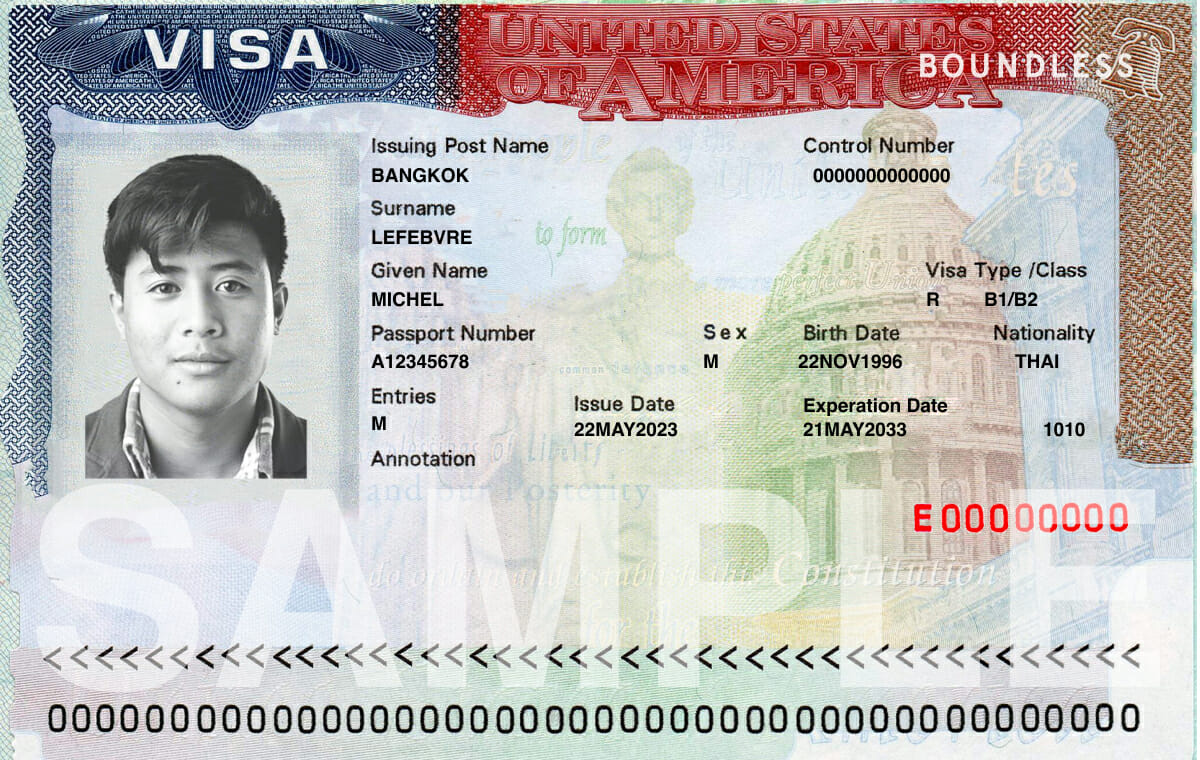
Step-by-Step Process
Usually, the application process for US visas involves a number of essential actions that candidates have to meticulously follow to ensure a smooth experience. The initial step is to establish the suitable visa classification based upon the function of traveling, such as work, research study, or tourism. When the classification is recognized, applicants have to complete the online DS-160 kind, providing exact personal details and travel details.
After sending the DS-160, candidates should pay the visa charge, which varies by visa kind. Next off, set up an appointment for a visa interview at the nearby US Embassy or Consular Office. US Visas For Indian Citizens. It is vital to get ready for the meeting by celebration called for files, consisting of a valid visa, visa verification, fee payment receipt, and any sustaining documentation certain to the visa category
On the day of the meeting, get here promptly and outfit properly. During the interview, be prepared to respond to concerns concerning your travel purposes, monetary stability, and connections to India. Finally, if accepted, the visa will certainly be stamped in the visa, permitting for travel to the US. Adhering to these steps ensures an efficient and effective application procedure for Indian citizens.
Tips for a Successful Application
)
Make certain that all forms are completed accurately and honestly. Little errors or noninclusions can result in hold-ups and even denials. It is suggested to gather all required sustaining documents, consisting of monetary declarations, employment letters, and evidence of connections to India, which show your intent to return post-visit.
Get ready for your visa interview by exercising actions to usual concerns connected to your travel plans and background - US Visas For Indian Citizens. Self-confidence and clearness can considerably influence the police officer's perception. Consider seeking support from respectable migration professionals if you really feel overwhelmed.
Often Asked Concerns
What Are the Handling Times for US applications?
Handling times for US visa can differ substantially based on the visa kind, application volume, and the applicant's place - Types Of US Visas. Generally, applicants must prepare for a handling duration varying from a few weeks to several months
Can I Modification My Visa Standing While in the US?
Yes, individuals can alter their visa standing while in the US, supplied they meet eligibility needs and adhere to correct procedures. It is important to submit the ideal application with US Citizenship and Migration Services (USCIS)
Exist Age Boundary for US Visa Applicants?
There are usually no particular age restrictions for US visa applicants; nonetheless, certain visa groups might have age-related eligibility requirements. It is essential to evaluate the needs for each and every visa kind to assure compliance.
What Prevail Reasons for Denial?
Typical factors copyright rejection include insufficient funds, failure to demonstrate connections to the home country, insufficient application, lack of appropriate documents, previous immigration violations, and failing to satisfy eligibility requirements for the particular visa category.
How Can I Appeal a Visa Denial Decision?
To appeal a visa rejection, review the consular police officer's reasons, collect supporting documents, and submit an official appeal to the suitable authority, guaranteeing to abide by defined timelines and step-by-step needs for the appeal process.